
Ever looked at a handmade mug and wondered what it would feel like to make one yourself? Slowfire in Oak Park is built for that kind of curiosity. It’s an art center and ceramics studio where beginners and serious makers alike can take classes and create pieces they’re excited to bring home.
This neighborhood hub has become one of the most welcoming places in town to explore not just ceramic art but also painting, drawing, baking, music, and more. For clay people (and clay people in the making), however, the ceramics classes are the heart of it all.
Whether you are curious about handbuilding, have always wanted to try the pottery wheel, or are ready for an open studio membership, here’s how Slowfire helps you get your hands in clay.
A Clay‑Loving Community in Oak Park
Slowfire is one creative community with room for all kinds of makers.
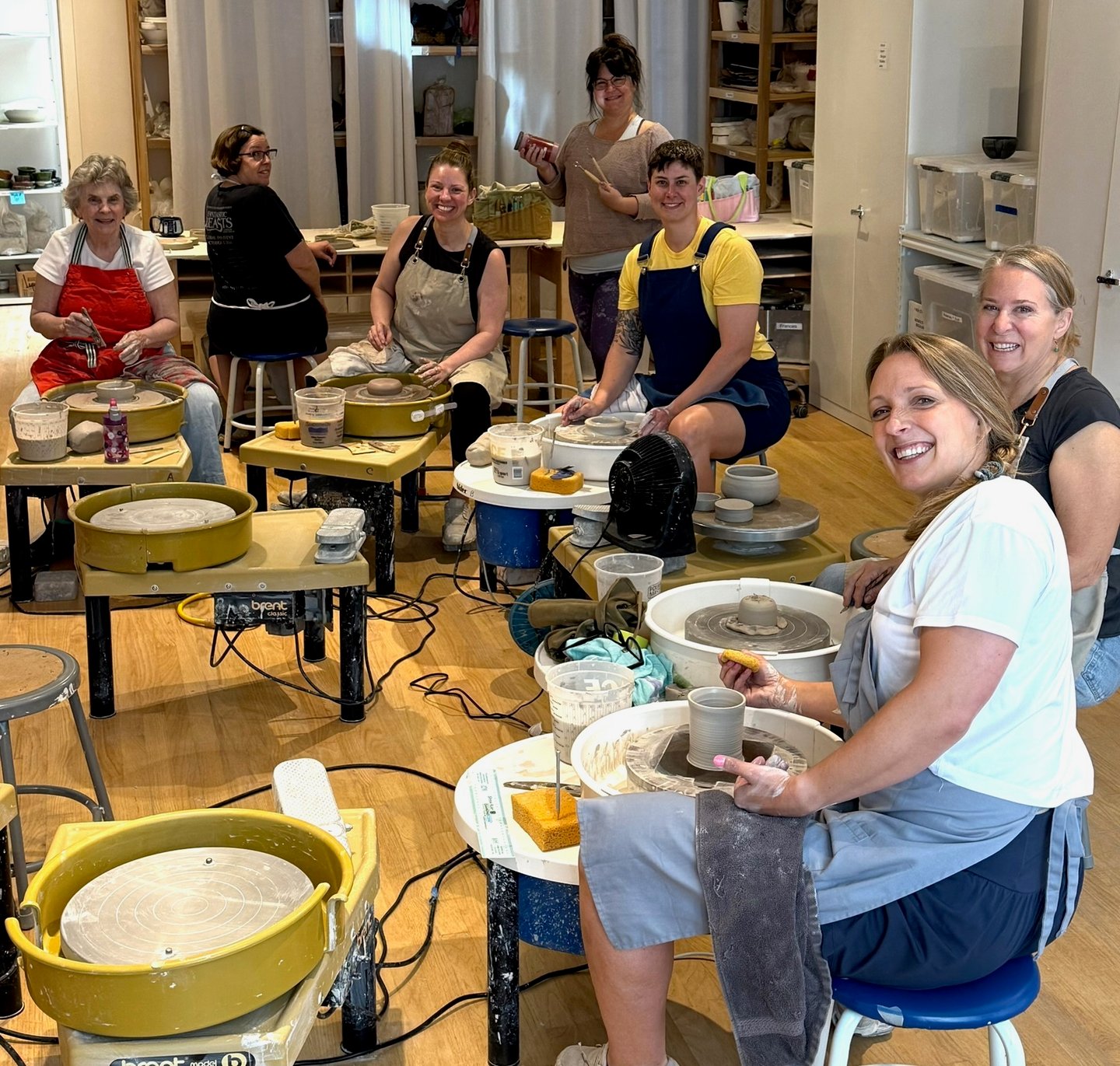
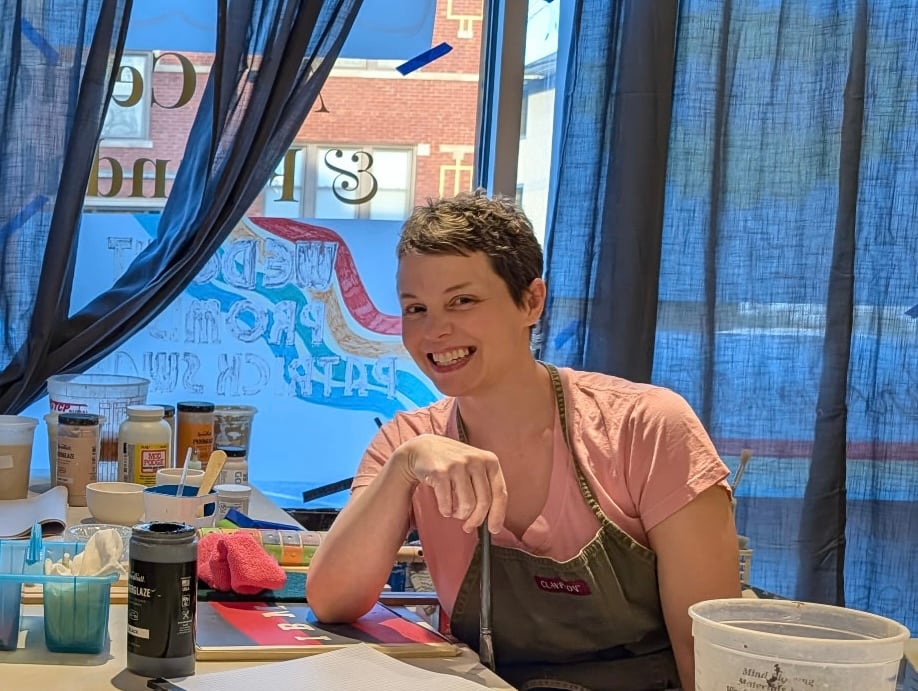
In its Oak Park studios, adult potters will find multiple wheels, a full handbuilding area, tools, templates, and dedicated glaze stations with custom Cone 6 stoneware glazes. Electric kilns hum in a back room, and shelves are lined with mugs, bowls, and sculptures at every stage, from raw clay to finished work. Slowfire also offers ceramic classes for kids as young as nine. On any given evening, you’ll see pieces labeled with familiar local last names: neighbors, teachers, and classmates all sharing the same studio.
There’s also plenty of space for kids, tweens, teens, and adults to explore other media. One room might be focused on printmaking or drawing while down the hall someone is running a baking camp or a music class. The lively, colorful ambiance makes Slowfire a natural fit for families and anyone who likes a little buzz in the background while they create.
All of Slowfire’s programs share the same ethos: approachable instructors, thoughtful projects, and lots of room to play.
Handbuilding vs. Wheel Throwing
If you’re new to ceramics, your first big choice is usually between handbuilding and wheel throwing. Slowfire makes it easy to try both.
Handbuilding: Sculpt, pinch, coil, and build
Handbuilding is often where beginners start. You’re working with clay on the table instead of on a spinning wheel, using your hands, simple tools, and techniques like coils, slabs, and molds to create forms. At Slowfire, handbuilding classes often guide you through making mugs, planters, tiles, or small sculptures while still leaving plenty of room for your own ideas.
Along the way, you’ll learn foundations like wedging clay to remove air bubbles, understanding different clay bodies, and seeing how pieces move from soft clay to bisque and then to finished work after glazing. Instructors help you recognize stages—leather hard, bone dry, low fire versus higher‑temperature firings—so that the process starts to feel familiar rather than mysterious.
For people who like detail, texture, and a slightly slower pace, handbuilding feels intuitive and satisfying.
Wheel throwing: Give it a spin
For others, the call of the wheel is too strong to ignore. Wheel classes at Slowfire walk you through the fundamentals of throwing: centering, pulling walls, shaping cylinders, trimming, and adding handles. There’s a learning curve, but there’s also that unforgettable moment when a wobbly lump turns into a bowl you can imagine using at breakfast.
Classes are small enough that you can get hands‑on help right at the wheel, and you’ll typically follow your pieces all the way through the process—from wet clay to trim stage, then through the kiln and into the glazing room. Regulars tend to mix wheel throwing and handbuilding over time, using both approaches depending on the project.
Ceramics Classes for Kids and Teens
Slowfire has plenty to offer young makers in Oak Park and the nearby suburbs. At Slowfire, kids can start with mixed‑media art clubs that blend drawing, painting, and printmaking, then move into more focused ceramics classes as they get older. Wheel series for youths and teens introduce them to the pottery wheel in a way that feels fun, not intimidating.
Younger students often:
-
Create small animals, cups, or ornaments in handbuilding classes
-
Experiment with underglaze to add color and patterns before a clear glaze coat
-
Learn how to safely handle tools and materials, including how to set work on shelves for firing
As they grow, they can move into teen ceramics programs that feel more like real studio classes, with more independence, more ambitious projects, and more time at the wheel. For teens thinking about art school, this is also a low‑pressure way to start building a portfolio and learning studio habits that will serve them later.
Many families treat pickup day—when finished pieces are ready to collect—as its own little event, stopping by together to see how everything came out and turning the studio shelves into a mini gallery visit.
Adult Ceramics
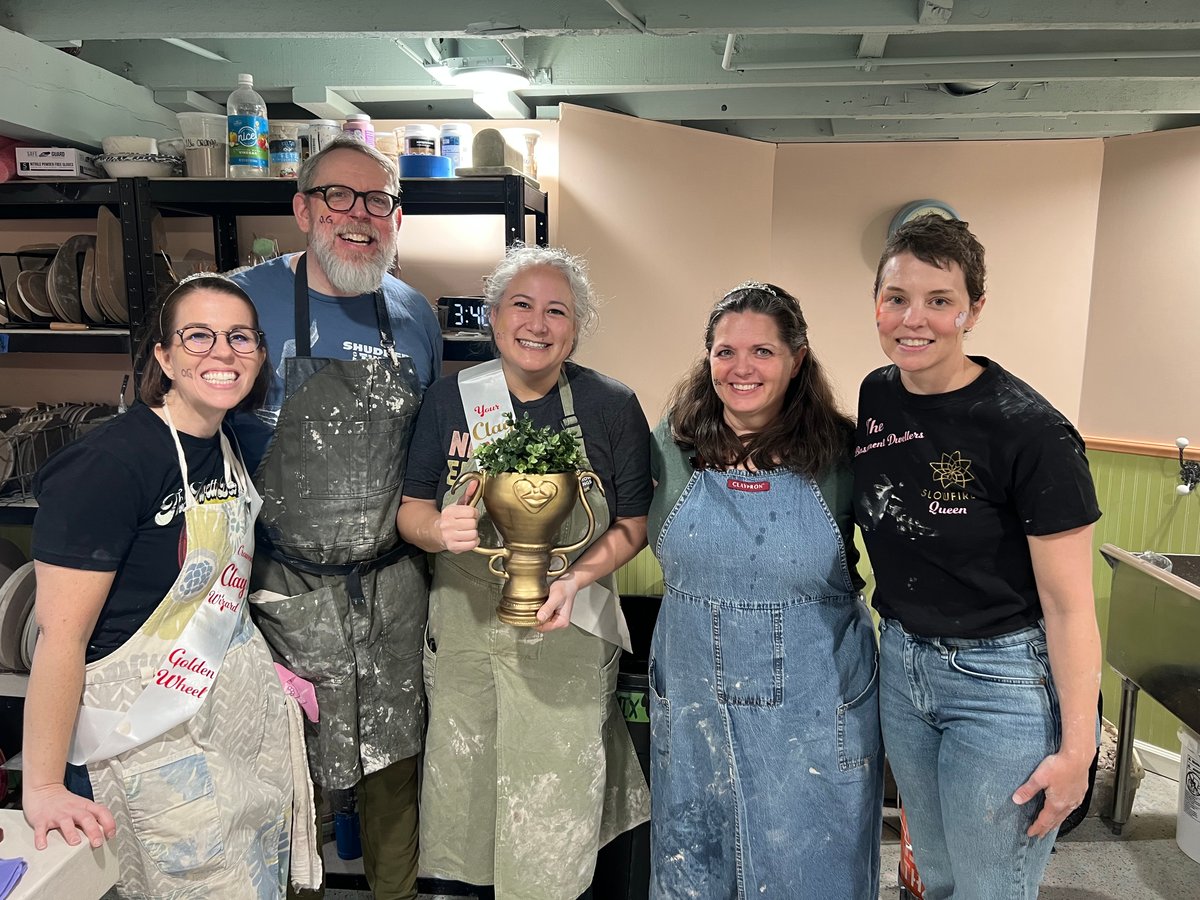
Slowfire’s adult ceramics offerings are designed to meet you where you are, whether you’ve never touched clay or you’re ready to commit to studio time.
Beginner‑friendly studio classes
Introductory ceramics classes walk you through the fundamentals step-by-step. You might spend one session on handbuilding, another learning the basics of wheel throwing, and another on glazing techniques so that you understand how color works in the kiln. Instructors keep the projects focused enough that you don’t feel overwhelmed but open enough that your pieces feel personal.
Across a typical multiweek class, you’ll get a sense of the full process:
-
Wedging and preparing your clay
-
Building or throwing your forms
-
Drying, bisque firing, and understanding what happens in the kiln
-
Choosing glazes and exploring surface decoration
-
Final glaze firing and seeing how heat changes everything
The classes balance technical understanding with a playful, hands‑on approach, so you learn by doing rather than sitting through a long lecture. A lot of Oak Park adults start with one of these beginner ceramics classes “just to try it” and end up planning their week around studio nights.
Workshops and specialty sessions
Alongside longer classes, Slowfire offers shorter workshops that focus on a specific skill. Recent options have included making stamps for clay, combining underglaze with screen printing or Gelli plates. These are ideal if you already know you love clay but want to explore new techniques in a manageable time frame.
Some seasons, the studio also introduces alternative firing methods such as raku. Because these sessions depend on weather, equipment, and staffing, they’re offered as special events rather than everyday options.
Memberships and Open Studio Time
Once you’ve caught the clay bug, regular studio access becomes the goal. Slowfire’s memberships are designed for people who want more flexibility and time in the studio without trying to squeeze an electric kiln into a Chicago‑area basement.
Adult ceramics memberships
Adult memberships at Slowfire give intermediate and advanced students extended studio times, access to wheels and handbuilding tools, and space to store in‑progress work. You’re working more independently than in a structured class, but instructors are still around to answer questions or troubleshoot when you need a second pair of eyes on a tricky form.
Memberships typically include:
- Use of the wheels, extruder, and handbuilding equipment
- Access to glaze stations and standard firings
- A personal shelf or damp box for your pieces
- The ability to purchase clay and other raw materials through the studio
It’s a sweet spot for people who have outgrown casual classes but still want to be part of a shared ceramics studio community instead of working alone at home. Regulars often treat membership evenings as a standing creative date with themselves or a friend.
Teen memberships
For teens serious about ceramics, Slowfire offers membership‑style programs that look a lot like adult studio practice, with extra structure and mentorship. These typically run during predictable weekly windows, so families can build them into school and activity schedules. Teens get to work on more ambitious pieces, learn studio etiquette, and experience what it’s like to be a regular in a working ceramics studio.
Beyond Clay: Parties and More
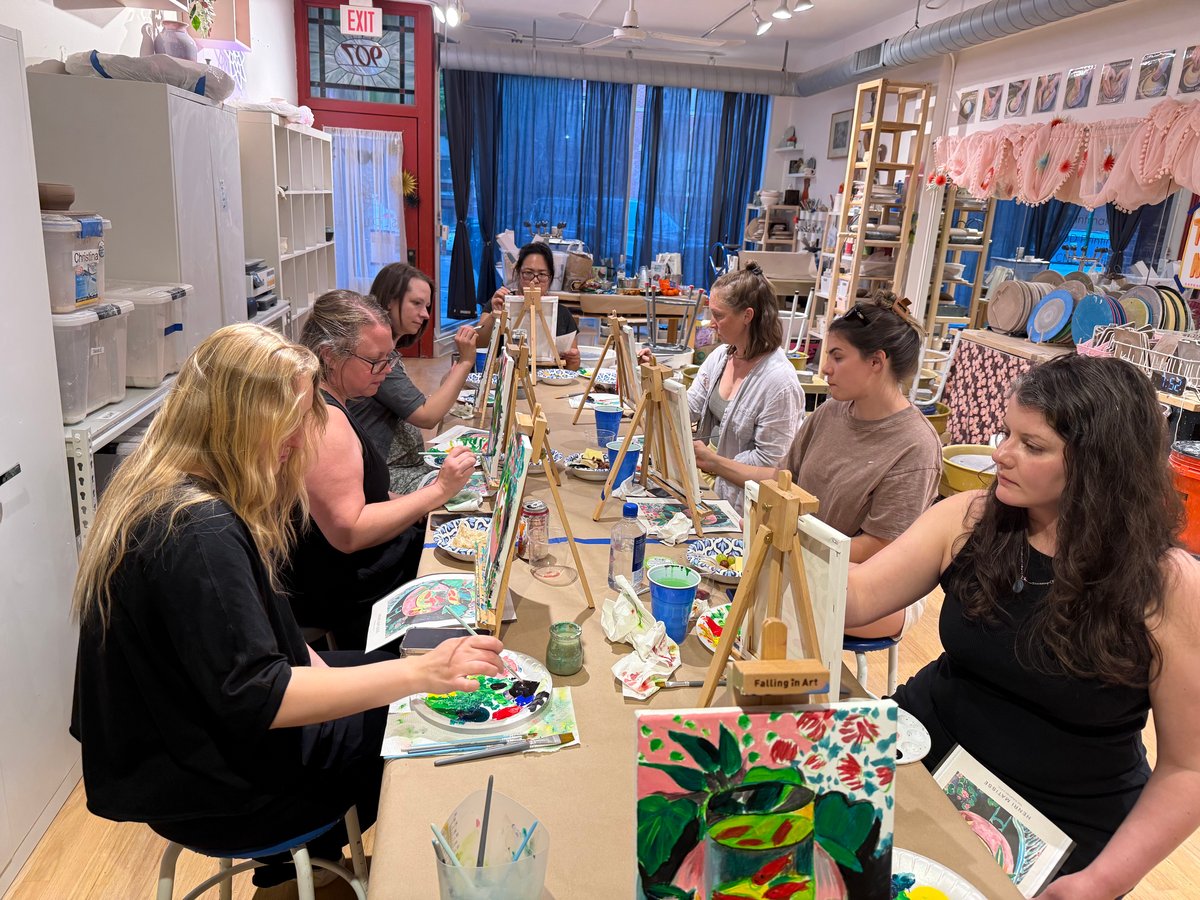
One of Slowfire’s strengths is how easy it makes sharing art with other people. If you’re not ready to commit to a weekly class or you want to celebrate something in a creative way, there are plenty of options.
Paint & Sip nights: Guided painting or ceramics sessions where adults can bring snacks or drinks, follow along with a project, and go home with something finished. These are popular for Oak Park date nights and friend groups who want something more memorable than another bar evening.
Wheel‑throwing parties: Short, high‑energy sessions where each guest gets time at the wheel and makes a piece or two that the studio later trims, fires, and glazes. They’re a fun twist on the classic birthday celebration.
Hands‑on ceramics parties for kids: Birthday and other celebration packages where kids build and decorate clay projects together, with the studio handling the materials, instruction, and cleanup.
Creative non‑clay parties: Families can also book baking, cake decorating, extreme craft, or face‑painting events that keep the same playful, hands‑on spirit.
Why Slowfire Feels Different
Slowfire isn’t just a business; it’s an extension of owner Noelle Allen’s studio practice. Noelle is a sculptor and ceramic artist with an MFA and years of teaching experience at the college level, and she has shown her work widely in Chicago and across the country. Her own work ranges from functional stoneware to sculptural pieces, and that eclecticism spills into the classes and programs she designs.
Noelle’s background is one reason Slowfire feels like more than a hobby studio. The classes balance play and rigor; you’re encouraged to experiment, but you’re also learning real processes such as wedging, trimming, and glaze testing that professional artists use every day.
Slowfire is also connected to the Slowfire Arts Foundation, a nonprofit that supports arts education and offers scholarships and free programming, especially for seniors, community groups, and cancer survivors in Oak Park and nearby towns. When you sign up for ceramics classes or events, you’re plugging into a broader orbit of creative and community‑minded work.
ChoosING the Right Ceramics Class
With so many options, it can be hard to know where to start. A few quick guidelines can help you find the right class or membership.
If you’re a beginner:
Look for intro handbuilding or wheel classes labeled as beginner‑friendly or “all skill levels.” These will walk you through basics like wedging, forming, trimming, bisque firing, and glazing without assuming any prior experience. Many Oak Park locals start with a single series to see if the rhythm fits their schedule.
If you’re returning to clay:
Consider an intermediate class that mixes instruction with more independent work time, or an open‑studio‑style format with guidance where you can bring your own project ideas and get help when needed. This is a good fit if you’ve used a pottery wheel before but feel rusty.
If you’re a parent:
Start younger kids in mixed‑media or handbuilding classes, then move them into wheel classes as their interest and coordination grow. For teens who can’t get enough studio time, a teen membership or ongoing class block is often the right move.
If you’re already fairly experienced:
An adult membership with generous studio times will likely be your best fit. You’ll get the freedom to pursue your own work with access to equipment like the extruder and kilns plus a community of other makers to learn alongside. Regulars tend to combine membership with occasional specialty workshops such as surface design or mold making to continue growing their skills.
On Slowfire’s website, class descriptions usually include details about skill levels, what you’ll make, and what’s included. If you still have questions, many descriptions include a short FAQ section, and you can always email the studio to confirm which option best matches your experience.
In a village full of coffee shops, bookstores, and busy schedules, Slowfire offers something different: a chance to move at the pace of clay. Pieces dry when they’re ready. Kilns cool when they cool. Glazes sometimes surprise you in the best way. And somewhere between that first lump of clay and the moment you pick up a finished mug, you remember what it’s like to make something with your hands.
Whether you’re signing up for your first ceramics class, looking for a new studio home in Oak Park, or planning a creative party with friends, Slowfire is an easy place to start. All you have to do is show up—and be ready to get a little muddy.