
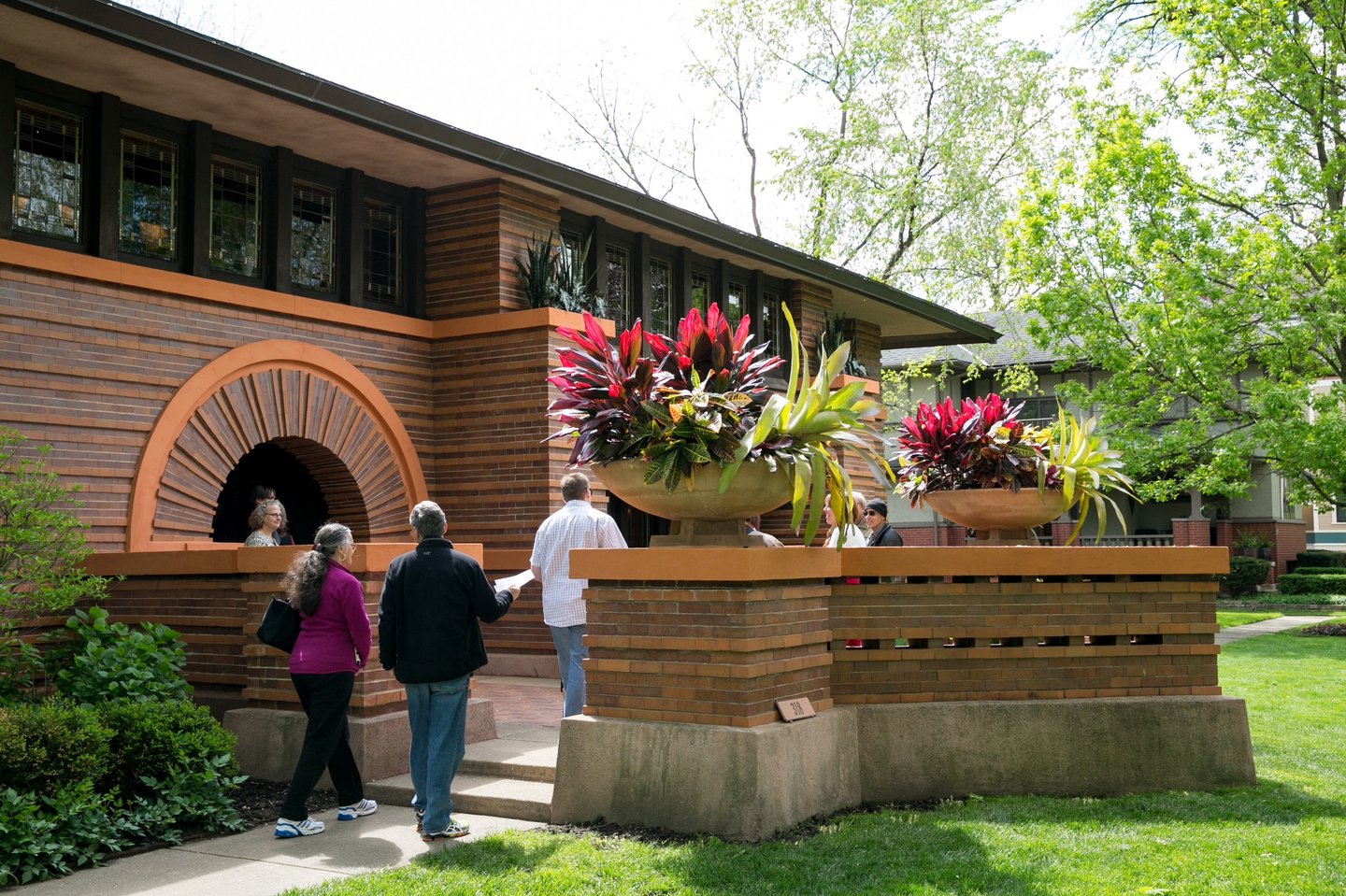

There is a particular kind of magic that happens when you step across the threshold of a home designed by Frank Lloyd Wright, and it is not the kind of experience you stumble into every day. In the neighborhoods where he lived and worked, his designs shape the way each room opens up or catches light, and everything feels intentional down to the inch. The Wright Plus Housewalk is the rare key that unlocks these private experiences for the public. If you have ever walked the leaf‑dappled streets of Oak Park, Illinois and wondered what lies behind those distinctive facades, this architectural housewalk is for you. Think of it as a one‑day pass into a living museum, where the exhibits are private residences and the guides are people who know Oak Park’s Wright stories by heart.
For the latest event details, ticket options, and maps, you’ll always want to confirm information directly with the Frank Lloyd Wright Trust at flwright.org.
What to Expect at Wright Plus Housewalk
Each year, Wright Plus Housewalk opens the doors to private homes and landmark buildings designed by Frank Lloyd Wright and his contemporaries in Oak Park and nearby communities. On this day, homeowners and local institutions welcome visitors inside, offering rare access to interiors that are not usually available to the public. Knowledgeable volunteers and guides share stories about each building’s design details and restoration. Local homeowners and longtime volunteers treat it as an annual tradition, and many visitors plan their Oak Park trips around this weekend.
Rather than a single guided tour, Wright Plus is a curated housewalk. Ticket holders typically receive a map and program that outline the participating homes, and they can move between sites at their own pace within the event hours. Some homes serve as anchors for the day, such as the Frank Lloyd Wright Home and Studio, while others sit on quieter residential streets where you discover hidden gems as you go.
Proceeds from Wright Plus support the Frank Lloyd Wright Trust, which preserves Wright sites and offers tours and educational programming throughout the year. By the time you head home, you have not only seen remarkable architecture, you’ve also helped sustain it.
Wright Homes You Might See on the Rotation
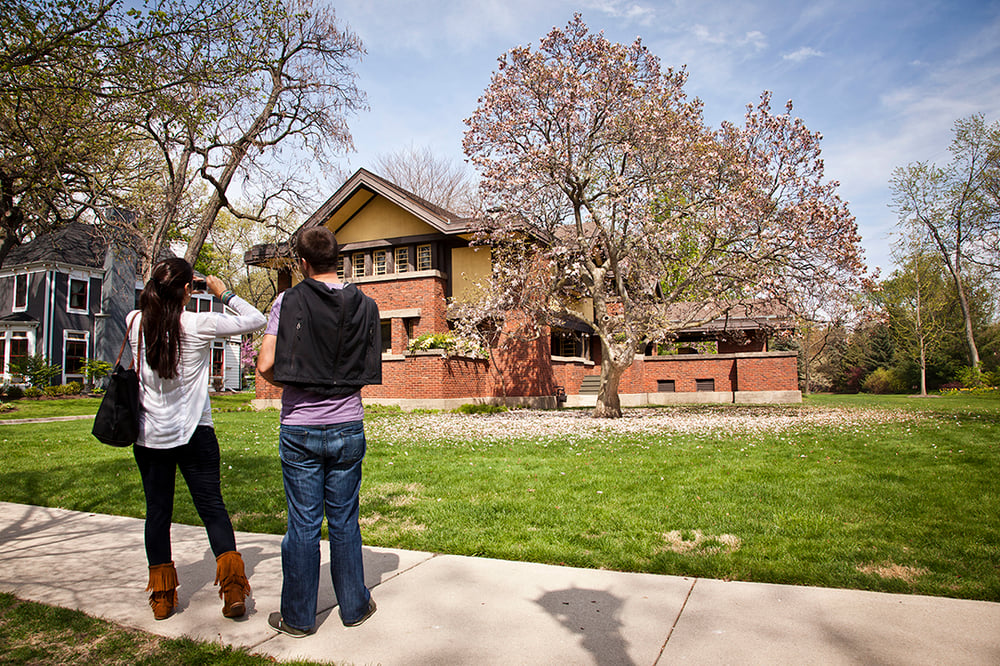
Because Wright Plus Housewalk is designed to stay fresh and to respect the privacy of homeowners, the exact lineup changes each year. Some years highlight newly restored interiors, while others bring back longtime favorites. While there is never a guarantee that any specific home will be on the schedule, these are the kinds of historically significant homes and Wright‑related buildings you may encounter in Oak Park and the surrounding area—and they’re excellent addresses to note if you like to walk the neighborhood before or after the event.
Grace Heurtley House (Arthur B. and Grace Heurtley House) – Solid and monolithic, this Prairie style landmark is often considered one of Frank Lloyd Wright’s greatest residential designs. Located a short walk from Wright’s own Home and Studio in Oak Park, it was commissioned by banker Arthur Heurtley and his wife Grace and is a staple on many architectural housewalk wish lists.
Calvin and Juliette Hill House – Located at 313 Forest Ave in Oak Park, this historically designated home was built in 1903 and designed by the firm Patton & Miller. The Calvin and Juliette Hill House is frequently featured on the Frank Lloyd Wright Trust’s Wright Plus Housewalk because it shows how other architects in Oak Park were exploring new residential forms at the same time Wright was developing his own style.
Charles and Cleantha Roberts House – Originally designed by the Chicago firm Burnham and Root in 1879, this house was remodeled by Wright in 1896 for Charles and Cleantha Roberts. The commission foreshadows Wright’s later renovation of Burnham and Root’s Rookery Building in downtown Chicago and offers a fascinating look at how he reworked existing Victorian‑era structures.
Oscar and Nonie Balch House – Wright designed this residence for Oscar and Nonie Balch in 1911 after first remodeling the Pebbles and Balch storefront in Oak Park a few years earlier. The house is known for its concealed entrance, strong perimeter walls, and bands of casement windows set just below the roofline. Inside, a large Roman brick fireplace and continuous ground‑floor spaces—library, living room, and dining room—show how Wright used wood bands and geometric lines to unify the interior.
You may also encounter notable neighboring homes that help tell the broader story of Prairie School and related architecture in Oak Park. The Paul and Frances Blatchford II House, designed by Patton & Miller, appears periodically in the Wright Plus rotation and shows how other firms interpreted similar ideas about proportion and everyday family living. The William and Wilhelmina Thoms House, designed by Worthmann & Steinbach, is another example of the rich architectural mix that surrounds Wright’s own work in Oak Park; when it is on the housewalk, it rounds out the picture of how different architects were experimenting with detail and street presence in the same era.
Docents sometimes connect what you are seeing in Oak Park to other significant Wright sites, such as Robie House in Chicago, to show how his ideas evolved beyond the neighborhood. Even if a particular house is not on the Wright Plus route the year you attend, many of these addresses can still be appreciated from the sidewalk as you explore the streets around the Frank Lloyd Wright Home and Studio.
What Makes Wright Plus Unique
What separates Wright Plus from a standard walking tour is the level of access. This is not an experience where you get to peek through the window. You are invited inside homes where people actually live and raise families—homes that also happen to be masterpieces of early 20th‑century design.
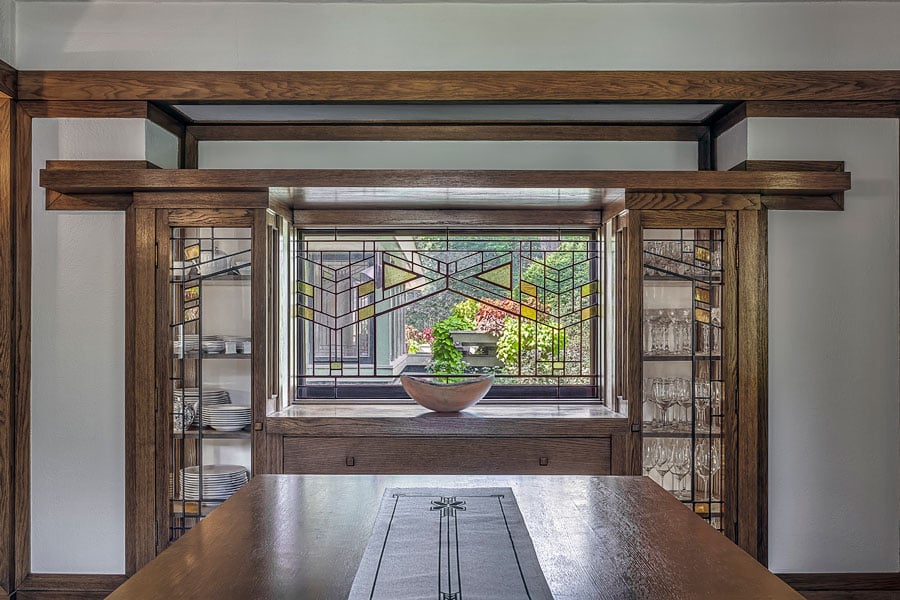
As you move through a house, you may find yourself walking on original hardwood floors, standing beside built‑in furniture that Wright designed for that specific room, or even looking up at art glass windows that cast shifting patterns of color across the walls. You see how modern owners have adapted rooms and furnishings to fit 21st‑century life, while still honoring the character of the original design.
What to Expect on Wright Plus Housewalk Day
On Wright Plus day, plan for a full schedule. Guests start their morning at the welcome center in the Frank Lloyd Wright Home and Studio, where they pick up wristbands, programs, and route information. This is where you get your bearings and choose a general direction for your day.
From there, you move between houses on foot or by shuttle, depending on the layout for that year. Oak Park is highly walkable, with tree‑lined streets and a mix of historic homes and neighborhood businesses along the way. Even the time spent walking between houses becomes part of the experience.
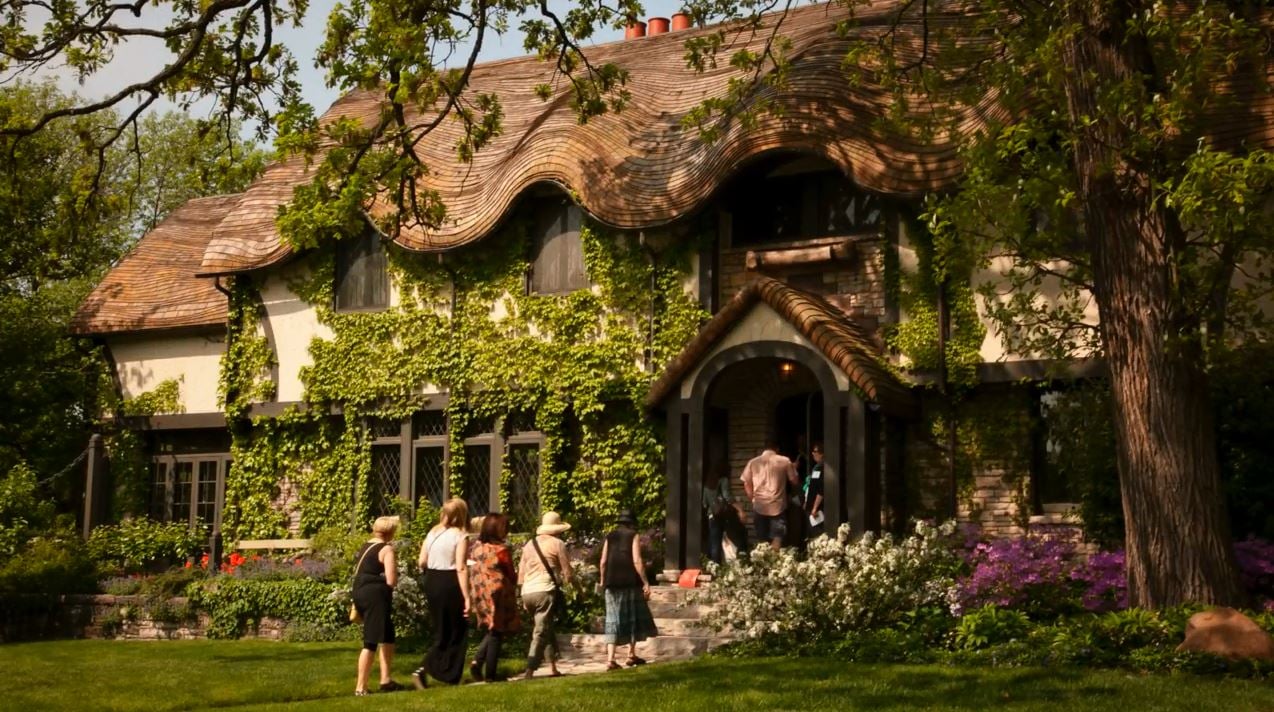
At each home, you will usually queue outside before entering in small groups, and it’s common to chat with other architecture fans in line as you wait. Once inside, guides point out important architectural elements, original or restored features, and stories about the families who have lived there. Photography policies and interior access can vary by house, so staff and signage will let you know what is allowed before you start exploring.
Some years, Wright Plus also offers options such as a fast pass or early entry for certain ticket holders. These enhancements can reduce wait times at popular homes and are often especially appealing to out‑of‑town visitors who want to make the most of a single day. Because these options may change, it is always smart to review current ticket tiers on flwright.org when you plan.
Insider Tips from Frequent Visitors and Locals
If you talk to past participants and volunteers, these simple choices can make the difference between a long, tiring day and one that feels genuinely special.
-
Plan your route, but stay flexible. Start by marking a few priority homes in your program—maybe a house you have always wanted to see inside, or a style you especially love. Use those as your anchors, then adjust based on wait times and how you feel as the day goes on.
-
Wear comfortable shoes and dress for the weather. You will be walking and standing on a mix of sidewalks and interior floors, often for several hours. Layers and sun protection go a long way, especially in unpredictable Midwestern spring weather.
-
Travel light. Large bags, strollers, food, or drink may not be allowed inside most homes. A small crossbody bag or backpack usually works best and keeps your hands free for narrow staircases or crowded rooms. Bringing only what you need makes it easier to enjoy the details and move smoothly through each house without feeling rushed.
-
Build in breaks. A mid‑day stop in downtown Oak Park, on Marion Street, or along Lake Street gives you time to recharge. It is a natural moment to compare notes with your group, decide which homes to prioritize next, and enjoy a meal or coffee at a local spot that keeps you close to the action.
-
Arrive early if you prefer quieter tours. The first hours of the event often feel more relaxed, with shorter lines and smaller groups. During peak times, consider visiting homes that seem less busy and saving very popular sites for earlier or later in the day.
-
Check accessibility details ahead of time. Because many historic homes include stairs or uneven flooring, it helps to know what to expect before you arrive. If accessibility is a concern, review event information on the Trust’s FAQ page here so you know which homes are realistic for your needs.
Planning Your Visit: Trust Members and Weekend Packages
The housewalk usually takes place in the spring, when Oak Park’s trees are leafing out and the neighborhood is at its most photogenic. Tickets are limited and often sell out in advance, particularly for any premium experiences that might be offered around the main event.
If you know you want to attend, it is worth planning early. Trust members of the Frank Lloyd Wright Trust often receive benefits such as advance access to tickets or preferred pricing, along with entry to other tours throughout the year. If you’re a frequent visitor to Wright sites like the Home and Studio, Unity Temple, or Robie House, membership can be a practical choice as well as a way to support preservation.
Over the years, the Trust has also offered special experiences such as a Wright Plus weekend package, which might bundle housewalk tickets with additional programs, dinners, or hosted events. Details change, but the idea stays the same: curate a full Wright weekend in Oak Park and Chicago for guests who want a deeper dive.
If you are interested in extras—or in any weekend package—the easiest way to see what is on offer this year is to check the latest details directly on flwright.org.
Who Wright Plus Housewalk Is Best For
Wright Plus Housewalk is ideal for architecture enthusiasts, design professionals, and anyone curious about how historic homes function in real neighborhoods today. Travelers who enjoy walking tours and typically spend several hours on their feet tend to find it an especially good fit. Couples, friend groups, and solo visitors all tend to find the day rewarding, especially if they appreciate detail and storytelling and want a deeper look at Wright buildings beyond the usual postcard views.